Key Takeaways
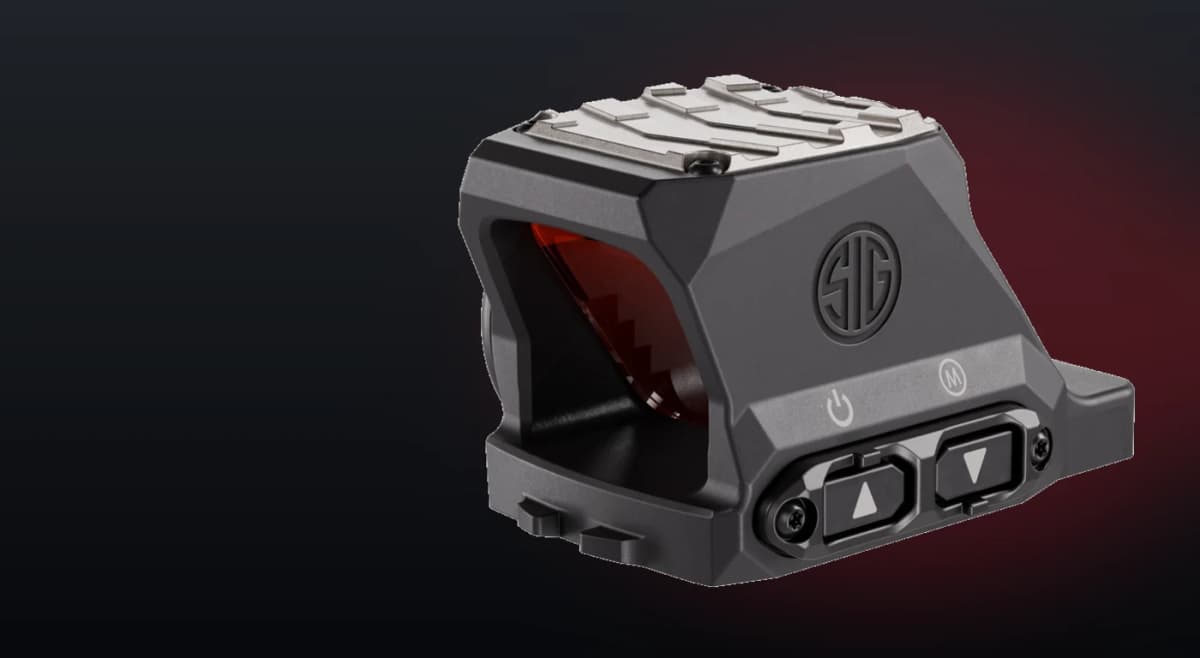
- →XRAY9-CUAS: an all-new mounted electro-optic that uses a proprietary laser rangefinder to target and engage drones, on display at AUSA in Washington, D.C., October 12 to 14, 2026.
- →MH322 M-HORNET: a 22 LR drone payload with a 4-inch barrel, 20- or 25-round magazines, servo-actuated remote fire, and visible or IR laser targeting, at 430 g unloaded and 511 g all-up.
- →Four aircraft: the 72-inch W72 SCYTHE flies for 1 hour from a hand launch, the 32-inch W32 SCYTHE for 12 minutes, plus 3.5-inch caged and 5-inch FPV SABER quadcopters.
- →North Carolina growth: SIG is doubling the square footage and workforce of its 40,000 sq ft Sanford drone center, operating since 2025, in a multi-million-dollar expansion.
- →Still unpublished: the XRAY9-CUAS reticle, lead or ballistic functions, host weapons, mount, size, power, and price, plus the M-HORNET's host aircraft and customers.
What SIG Announced at AUSA 2026
SIG Sauer used its October 12, 2026 AUSA announcement to name two new counter-drone and drone-weapon products: the XRAY9-CUAS, a mounted electro-optic that uses a proprietary laser rangefinder to target drones, and the M-HORNET, a 22 LR payload attachment for unmanned aircraft. Both sit on SIG's booth, #8015 in Hall E of the Walter E. Washington Convention Center, through October 14.
The release names the M-HORNET only in passing, alongside the fixed-wing SCYTHE and the SABER quadcopter. SIG's Advanced Concepts brochure in the AUSA 2026 media kit fills in the rest: model numbers, spec tables, and product photos for the MH322 M-HORNET, two SCYTHE airframes, and two SABER quadcopters.
The drones share the booth with SIG's Army programs. The M250 light machine gun, the MMG medium machine gun, SIG Hybrid ammunition, the remote-control weapon station, and the XM8 carbine are all on display, and SIG says the XM8 begins fielding in December to support the Close Combat Force.
XRAY9-CUAS: A Counter-Drone Optic Built Around Range
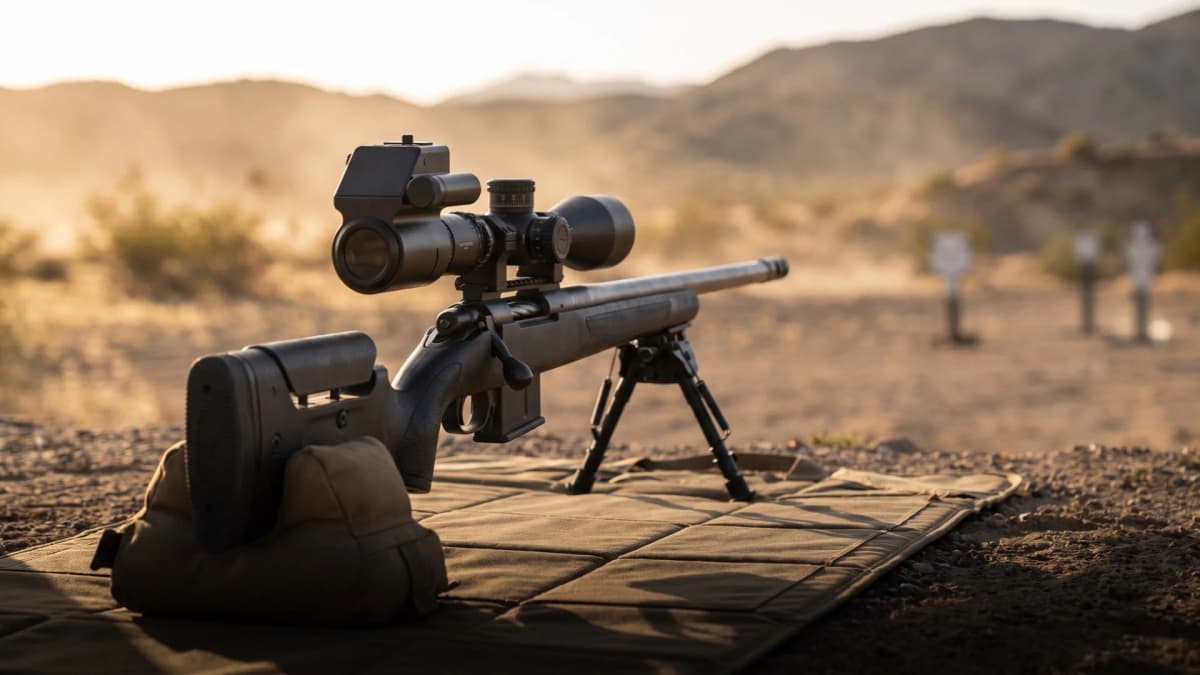
The XRAY9-CUAS is a SIG optic built specifically for counter-UAS work, and its one confirmed feature is the one reticle-only rivals lack: a built-in laser rangefinder. SIG's wording is that the “all-new SIG SAUER XRAY9-CUAS, a mounted electro-optic, uses advanced technologies to quickly target and engage drones using a proprietary laser rangefinder.”
Range is the input every reticle-only counter-drone sight has to assume. The EOTech HWS CUAS bakes its lead holds into the hologram for a drone crossing at 30 mph at 50 and 90 meters, so the shooter still has to judge which distance applies. SHIELD Sights took the same reticle route with the AMSx C-UAS, shown at Land Forces 2026 in Perth on October 6 to 8. A rangefinder replaces that judgment with a measured number, which is the same logic behind the Army's Vortex XM157 fire control, an LPVO with an integrated rangefinder and ballistic solver.
SIG has not said what the XRAY9-CUAS does with the range once it has it. The release does not describe a reticle, a computed lead or ballistic hold, the host weapons it mounts on, its interface, dimensions, power source, price, or a delivery date. The name places it in SIG's XRAY family, which already includes the XRAY5 digital red dot and the XRAY7-CO.
XRAY9-CUAS: Confirmed and Unannounced Details
SIG XRAY9-CUAS
| Type | Mounted electro-optic |
| Role | Target and engage drones (counter-UAS) |
| Ranging | Proprietary laser rangefinder |
| Status | All-new; displayed at AUSA 2026 |
| Reticle | Not announced |
| Lead or ballistic calculation | Not announced |
| Host weapons and mount | Not announced |
| Dimensions and weight | Not announced |
| Power | Not announced |
| Price and availability | Not announced |
M-HORNET (MH322): SIG's 22 LR Drone Payload
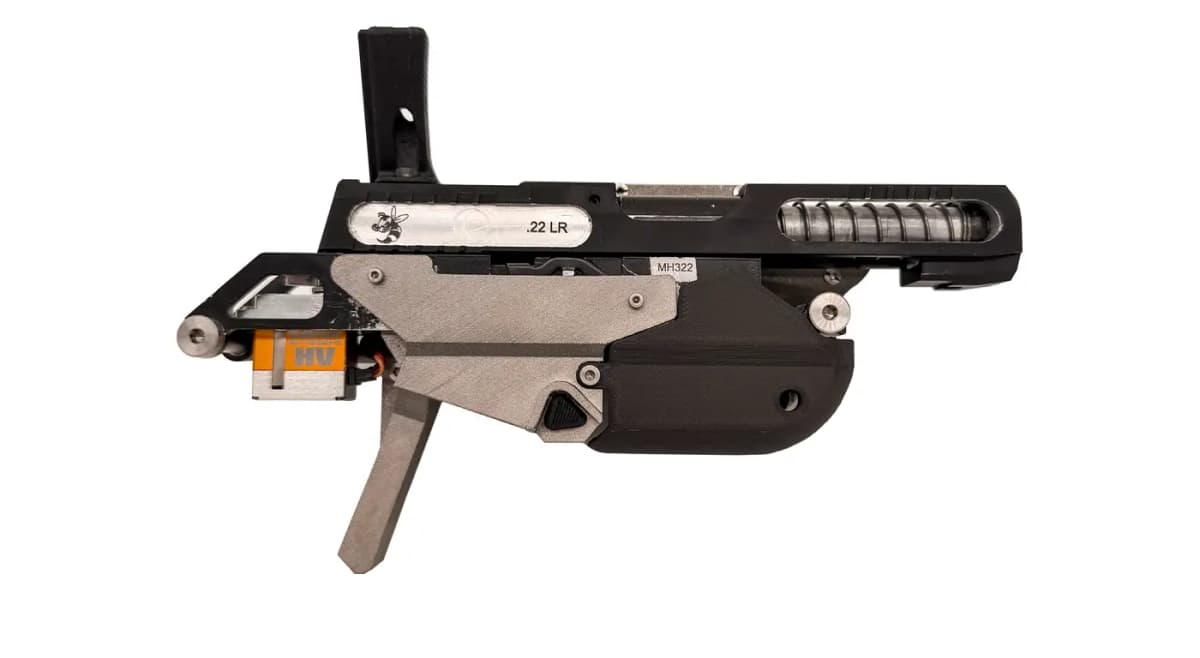
The MH322 M-HORNET is a remotely fired 22 LR gun module that bolts to a small drone. SIG's brochure calls it “a lightweight, electronically actuated 22 LR payload engineered for rapid integration across compact unmanned platforms,” with a 4-inch barrel, a 20- or 25-round magazine, and 430 grams of unloaded weight that rises to 511 grams all-up. SIG rounds that to “under 600g” in its own caption.
The firing chain is electronic end to end. A servo actuates the trigger, an electric safe-and-arming architecture sits in front of it, and the module takes commands over PWM or CAN, the two signal types common to drone flight controllers. Targeting is a visible or infrared laser, and SIG lists a modular payload mounting interface rather than a single host aircraft. The product photo shows a slide marked “.22 LR” with a hornet logo, the MH322 label, and an exposed servo on the trigger linkage.
What SIG has not published matters as much as the table. There is no named host aircraft, no customer, no development status, and no delivery schedule. The brochure places the M-HORNET under Advanced Concepts, the same division that designs SIG's counter-UAS technology, but does not say whether it is meant for ground targets, for drone-on-drone intercepts, or both.
M-HORNET Specifications
SIG MH322 M-HORNET
| Caliber | 22 LR |
| Barrel | 4" |
| Magazine | 20 or 25 rounds |
| Actuation | Servo and Sentry |
| Safety | Electric safe-and-arming architecture |
| Control interface | PWM / CAN |
| Targeting | Visible or infrared laser |
| Mounting | Modular payload mounting interface |
| Unloaded weight | 430 g |
| All-up weight | 511 g |
| Origin | Assembled in the U.S.A. |
| Price and availability | Not announced |
How the M-HORNET Compares to SwarmShot
The M-HORNET is the second firearm-on-a-drone program from a major gun maker in a week. On October 7, 2026, Federal Ammunition, Mossberg, and Palladyne AI announced SwarmShot, a modular airborne counter-UAS system that turns compatible drones into reusable air-to-air interceptors. Federal supplies counter-UAS shotshell ammunition, Mossberg builds the lightweight airborne weapon module, and Palladyne provides the IntelliSwarm autonomy software and its Gremlin-X Group 1 quadcopter as the first host.
The two differ in what they disclose and how they are built. SwarmShot is a three-company program with a stated mission, drones shooting down drones. The M-HORNET comes from one company with a full spec table and a product photo, but no stated mission. A shotgun module throws a pattern of shot at a moving aircraft; the M-HORNET fires single 22 LR bullets from a 20- or 25-round magazine in a 511-gram package. For how the aircraft side of these systems is put together, our FPV drone build guide covers frames, motors, flight controllers, and video links.
SCYTHE and SABER: The Aircraft
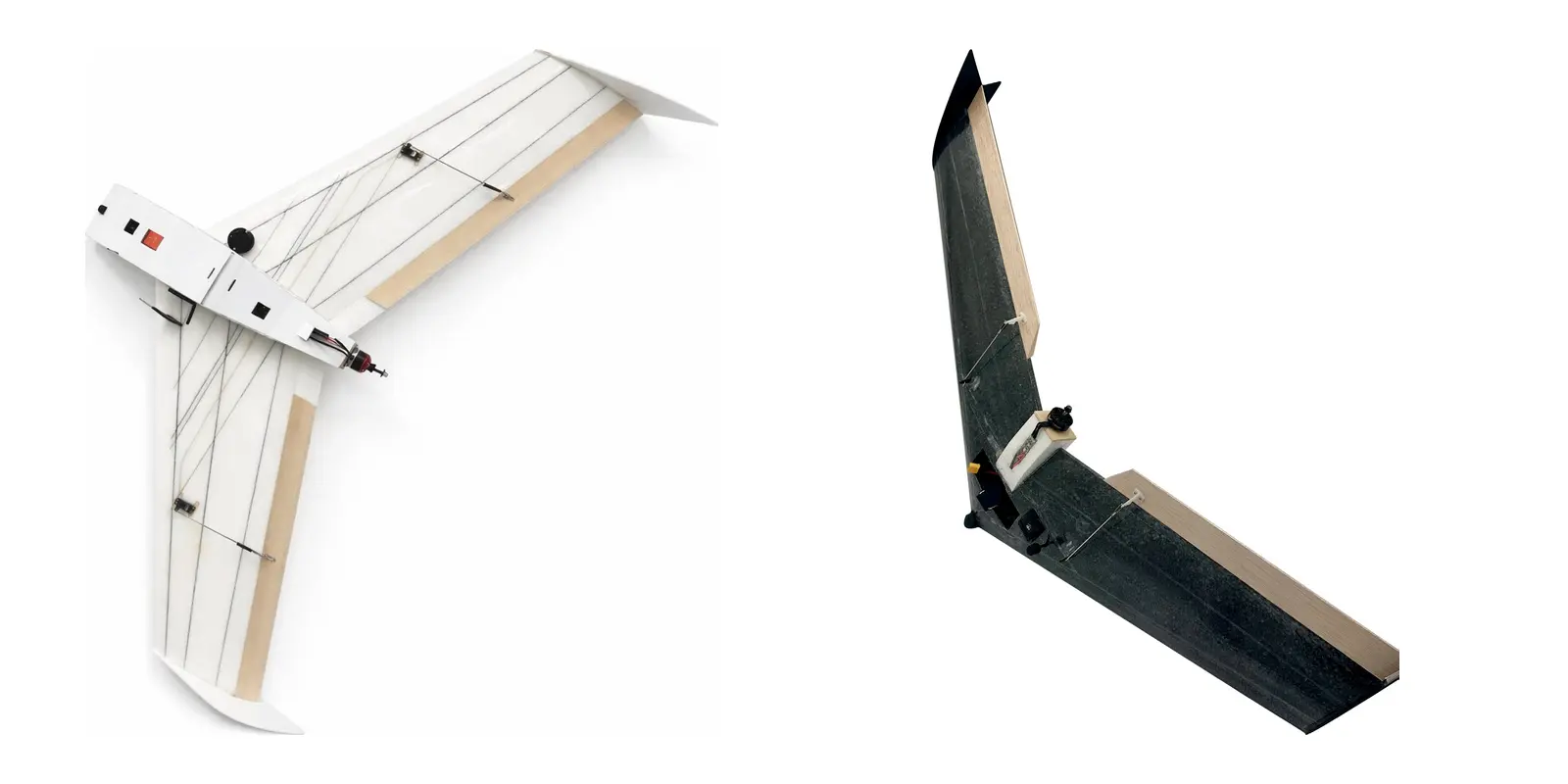
SIG's Advanced Concepts lineup is four aircraft in two families. The W72 SCYTHE is a 72-inch fixed wing with an EPO foam airframe and carbon reinforcement, an electric brushless motor, a Cube Orange-compatible autopilot, hand launch, belly landing, and a 1-hour flight time; SIG says field spares and batteries are included in a quote. The W32 SCYTHE is the smaller 32-inch version, with ELRS control, digital video, 12 minutes of endurance, and a 227-gram payload.
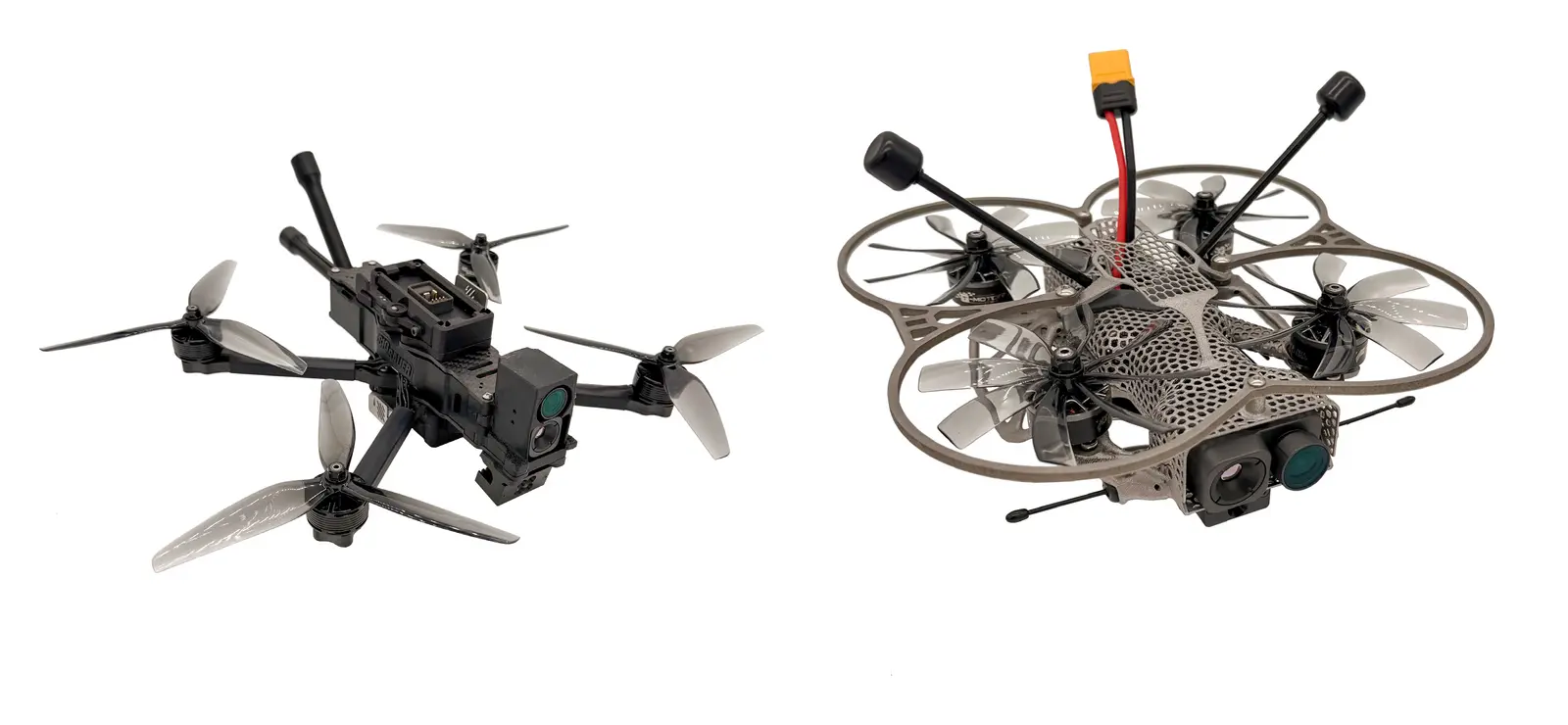
The SABER quadcopters cover close range. The 3.5-inch SABER is a caged multirotor with a Ti modular frame, autopilot and GPS, an integrated IR/EO sensor and LED package, and a payload interface; SIG quotes 25 minutes of unburdened flight. The 5-inch SABER is an uncaged FPV aircraft configured for operator training, with GPS, HD video, IR and overt LED lighting, and an open firmware architecture that supports Betaflight, autopilot, and PX4 builds. Every aircraft in the brochure is marked assembled in the U.S.A.
Rail-Mounted Laser Rangefinders You Can Buy
Impact 4000 Ballistic Rail-Mounted Laser Rangefinder
- Picatinny or diving-board mounted weapon LRF
- Up to 4,000 yd reflective / 2,500 yd tree / 1,500 yd deer
Safran I-CUGR C Eye Safe Laser Rangefinder
- Weapon-mountable Picatinny rail rangefinder/aiming module
- 1,500 m maximum range
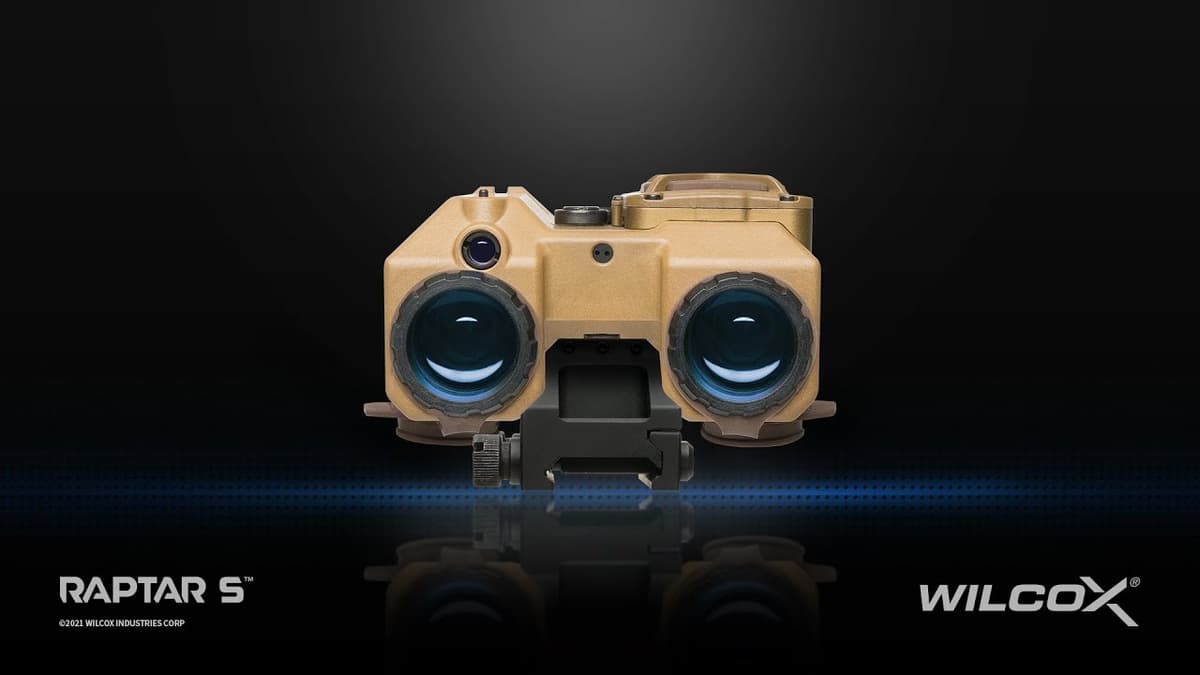
RAPTAR S Red Laser Low Power Rangefinder
- 1,500 m laser rangefinder
- Applied Ballistics solver with G1/G7 custom drag curve support
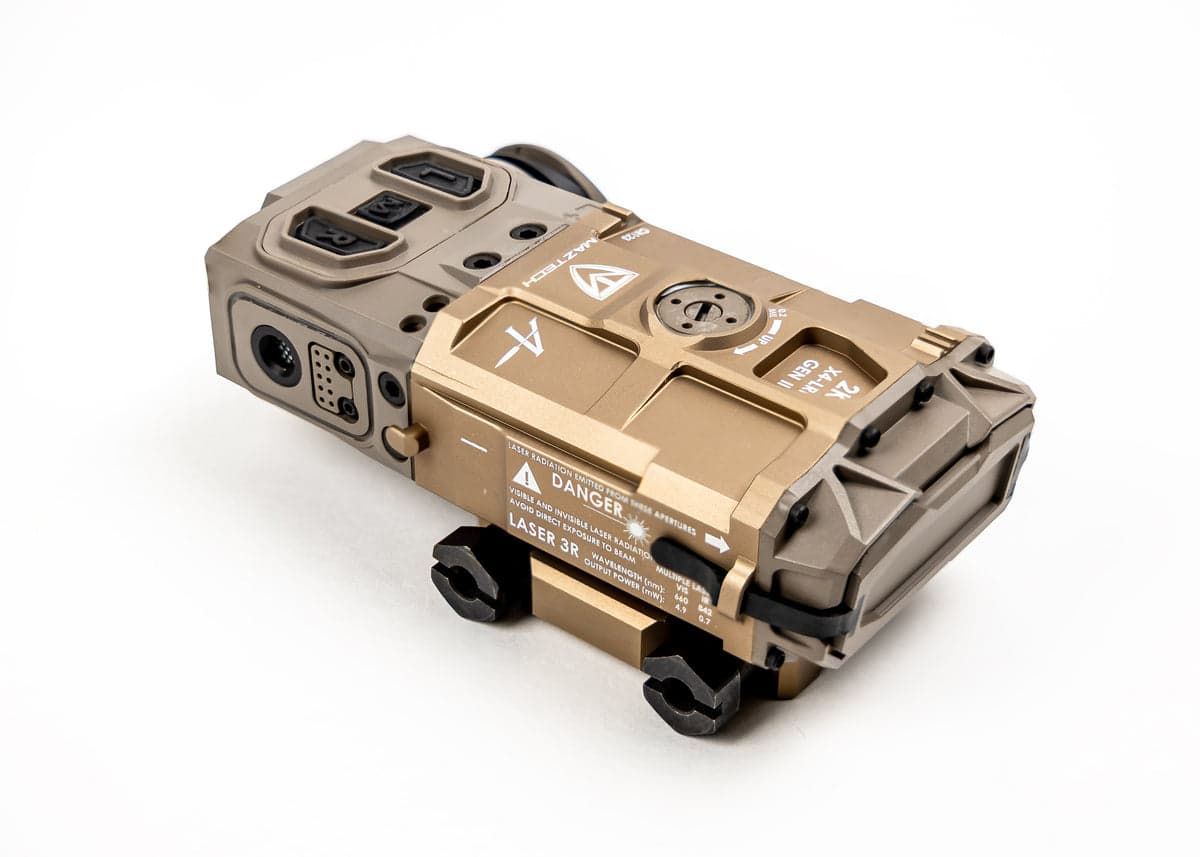
X4-LRF 2K Gen II Rangefinder
- STANAG 4694 rail mount compatible with Picatinny MIL-STD-1913
- 2K 905 nm rangefinding laser with co-aligned visible and IR aiming lasers
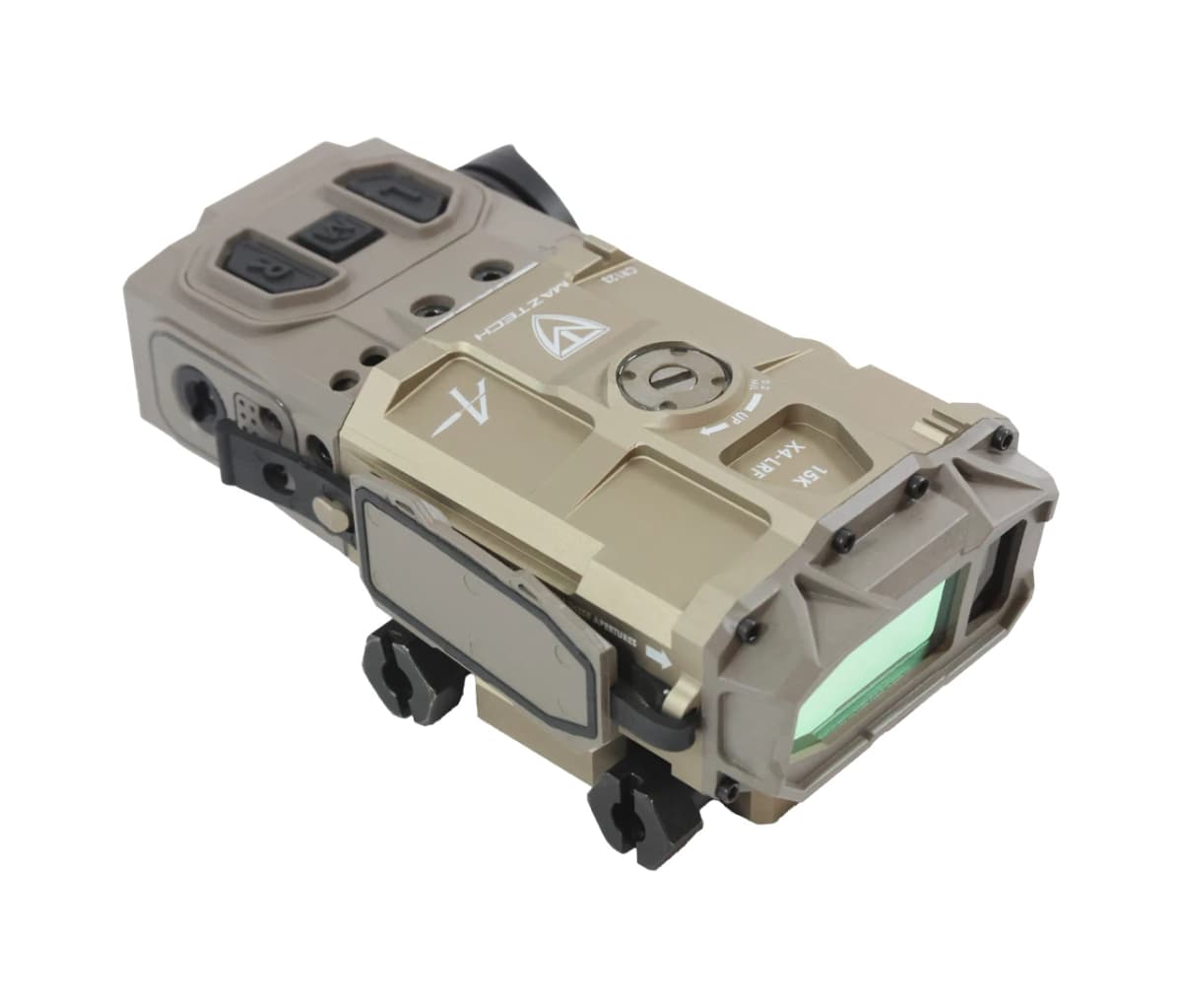
X4-LRF 15K Rangefinder
- STANAG 4694 rail mount compatible with Picatinny MIL-STD-1913
- 15K 1534 nm rangefinding laser with co-aligned visible and IR aiming lasers
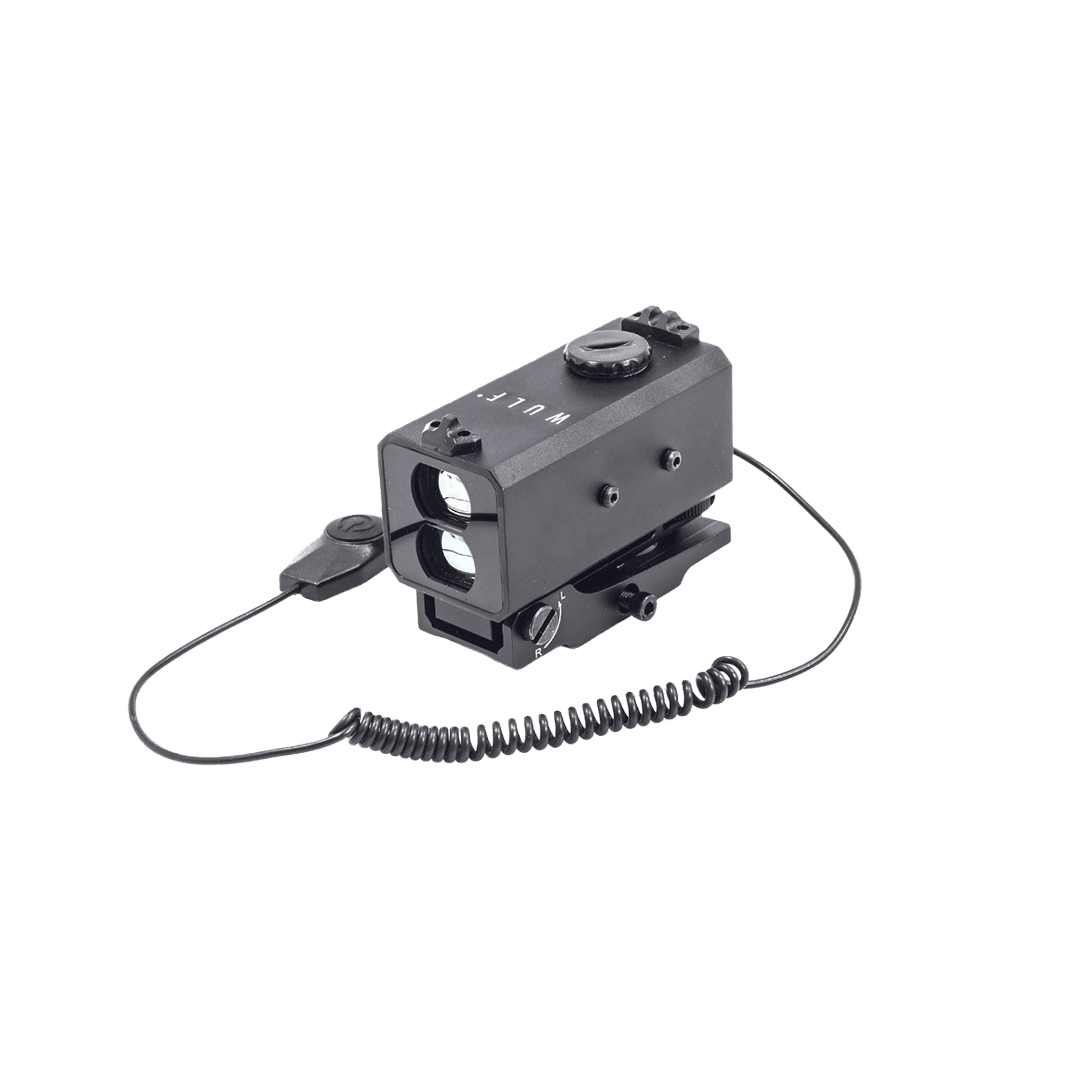
Arrow 1200m OLED Picatinny Laser Rangefinder
- Picatinny-mountable 1200 m laser rangefinder
- Recoil-resistant adjustable alignment
Affiliate links (?)
SIG's North Carolina Drone Expansion
SIG is doubling the square footage and the workforce at its North Carolina facility. Its brochure lists that site as the Drone Tech Center and Advanced Concepts in Sanford, operating since 2025 at 40,000 square feet, and the expansion runs across R&D, engineering, manufacturing, and training.
“We've invested into a full offering of unmanned capabilities,” said Ryan Scott, Director of Advanced Concepts, who served 22 years in the Army, more than a decade of it with unmanned systems. “We're doubling our square footage and workforce at our North Carolina facility with a multi-million-dollar expansion across R&D, engineering, manufacturing, and training. This investment continues our support for the U.S Armed Forces and allies, which now also includes our battlefield-ready counter-UAS.”
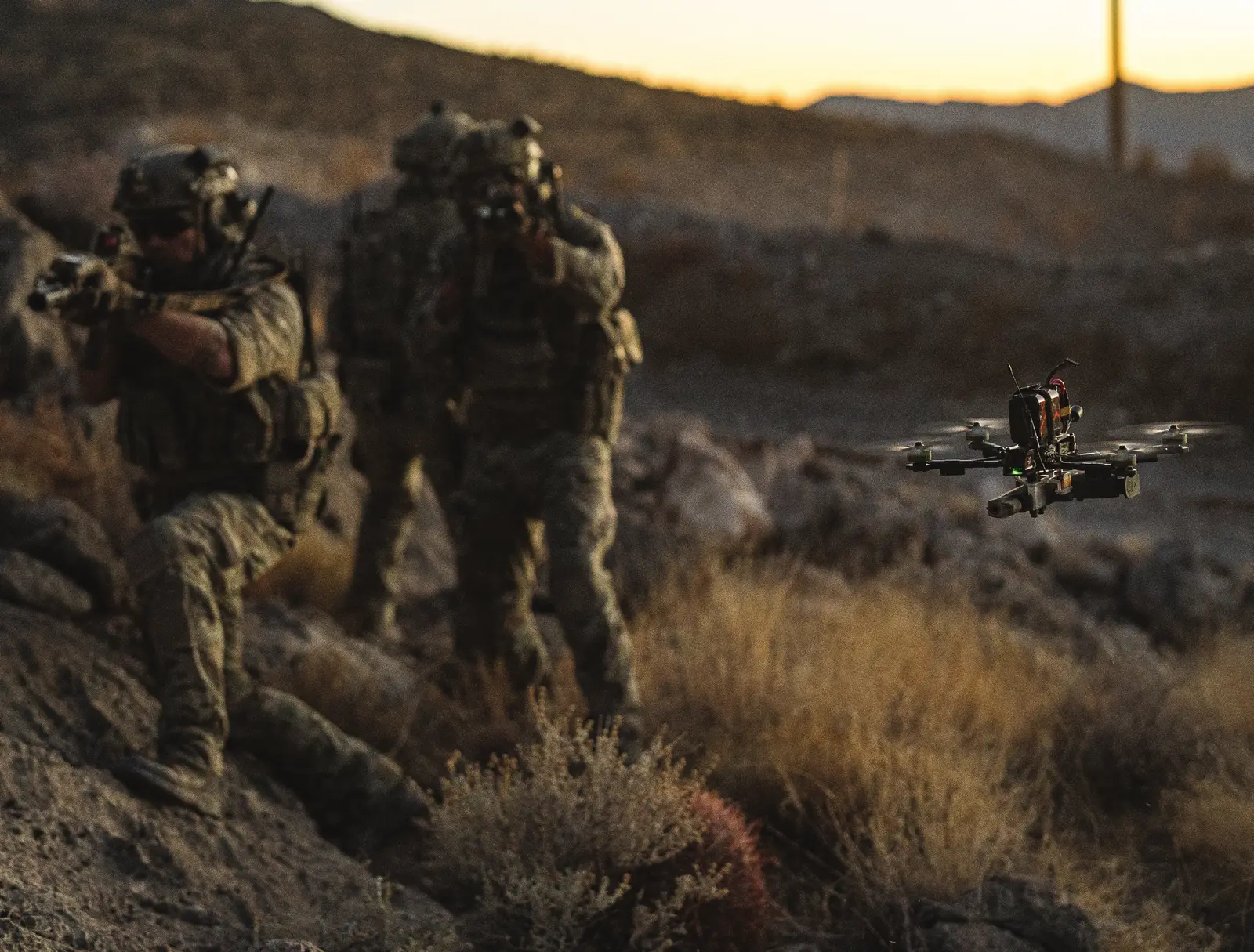
The rest of the division's catalog shows how far past conventional firearms it reaches. SPINE is a quick-attach interface for battery and mission payloads, with data rails and power blades that SIG says apply to sensors, effectors, and electronic warfare modules. CRUCIBLE is a synthetic training and mission rehearsal platform, and SIG's UAS training runs from an initial operator course through advanced and one-way attack courses.
What This Means for Civilian Shooters
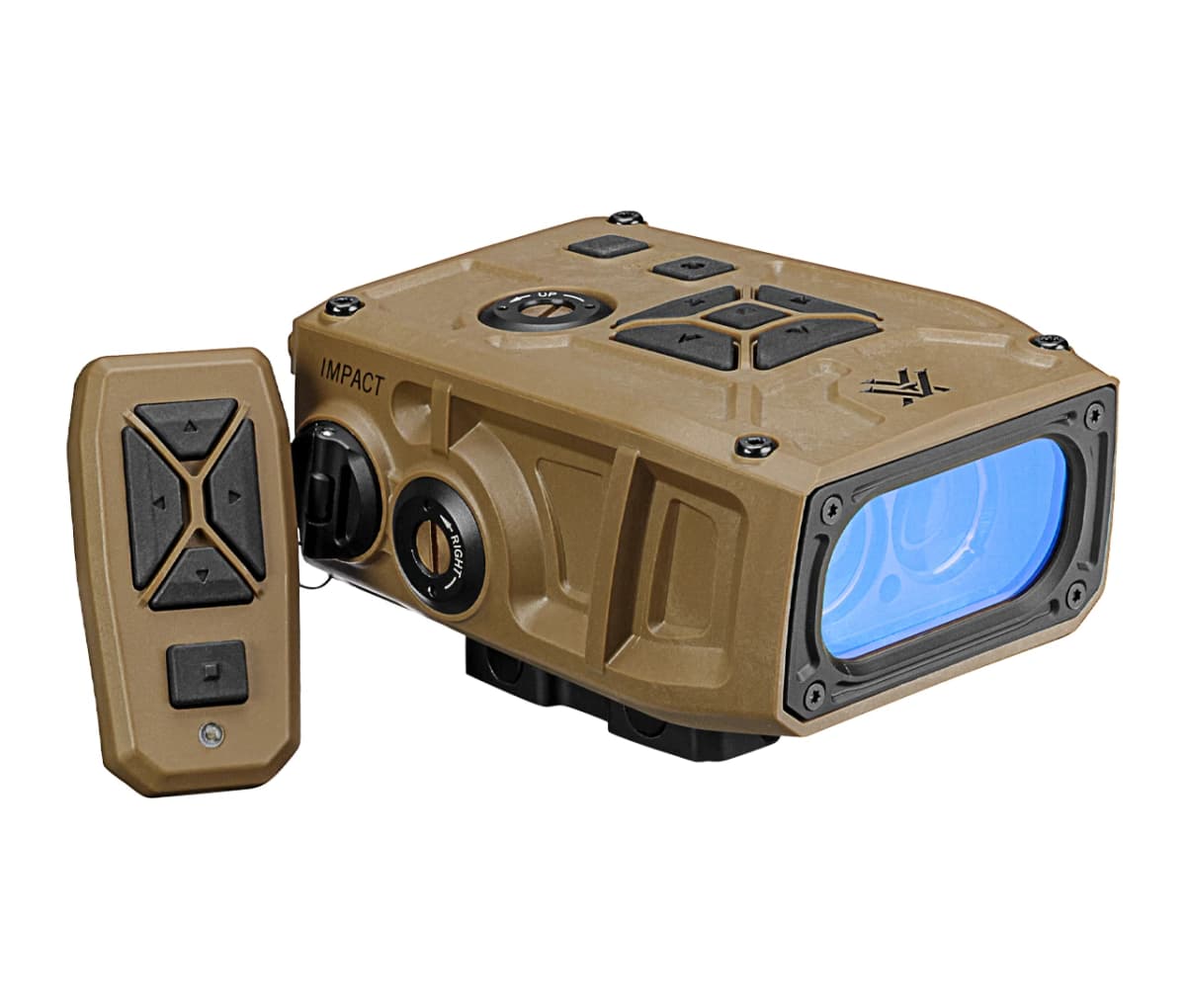
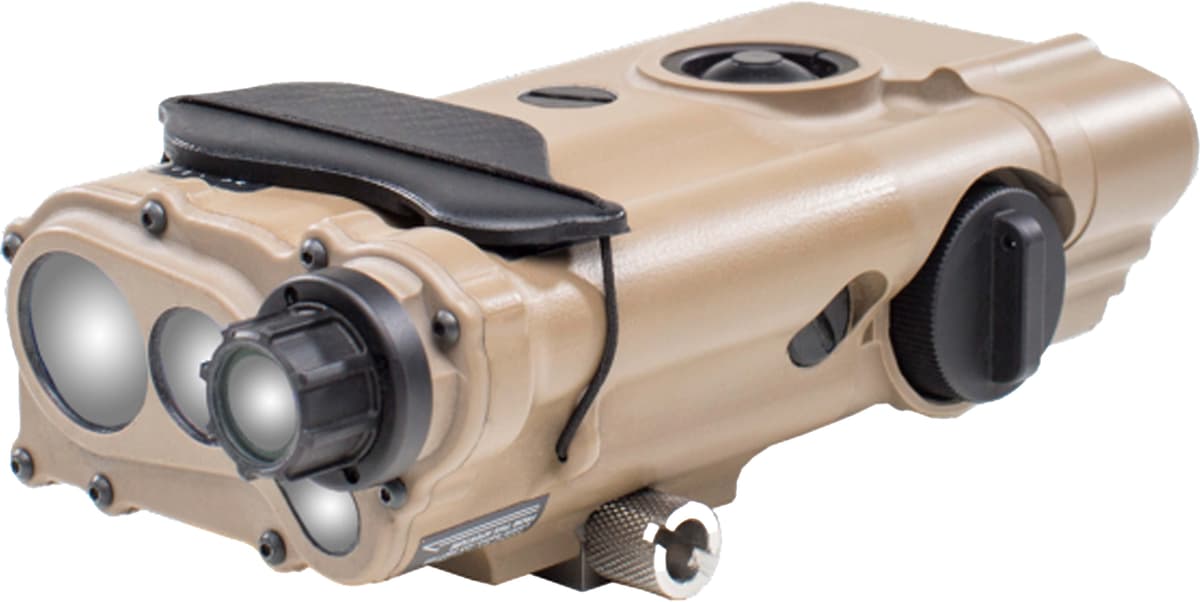
Neither product is for sale to civilians. SIG presented both at a U.S. Army trade show as part of its defense lineup, with no consumer listing or price. The closest thing a shooter can buy is a rail-mounted laser rangefinder that rides beside an existing optic; our rangefinder buying guide ranks the current options, and the rifle builder shows which rail-mounted units fit a given build.
Reticle-based counter-drone sights are a different story, because they run on hardware already sold to the public. The EOTech HWS CUAS uses standard EXPS3 and XPS3 bodies, and our holographic sights guide covers the sights it is built on. Owning the optic is not the same as using it on a drone: firing at any aircraft is illegal under FAA guidance, and destroying a drone can be charged as a federal felony under 18 U.S.C. 32, up to 20 years. Our explainer on whether you can shoot down a drone over your property covers the statutes and the remedies that do apply, and our drone warfare overview explains why small arms keep returning to the counter-drone fight.
Shop Current SIG Sauer Optics
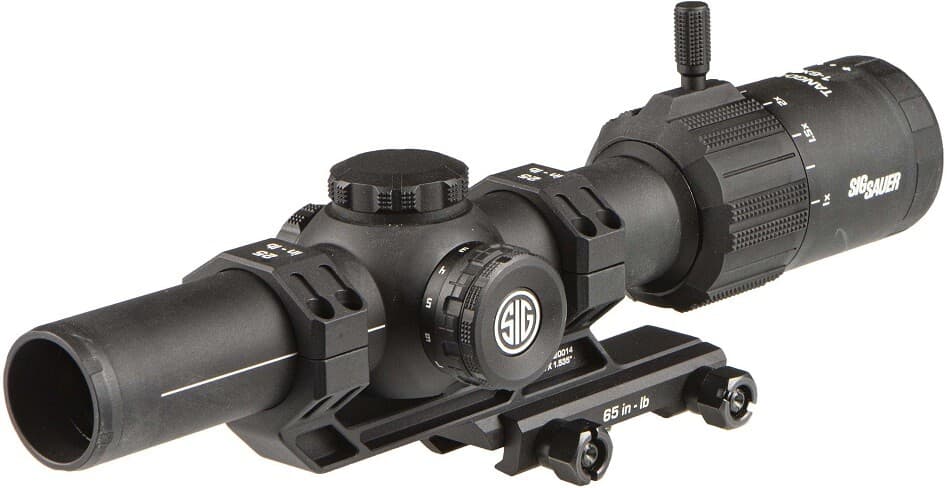
Sig Sauer Tango MSR 1-6x24
- 1-6x magnification
- MSR-BDC6 reticle
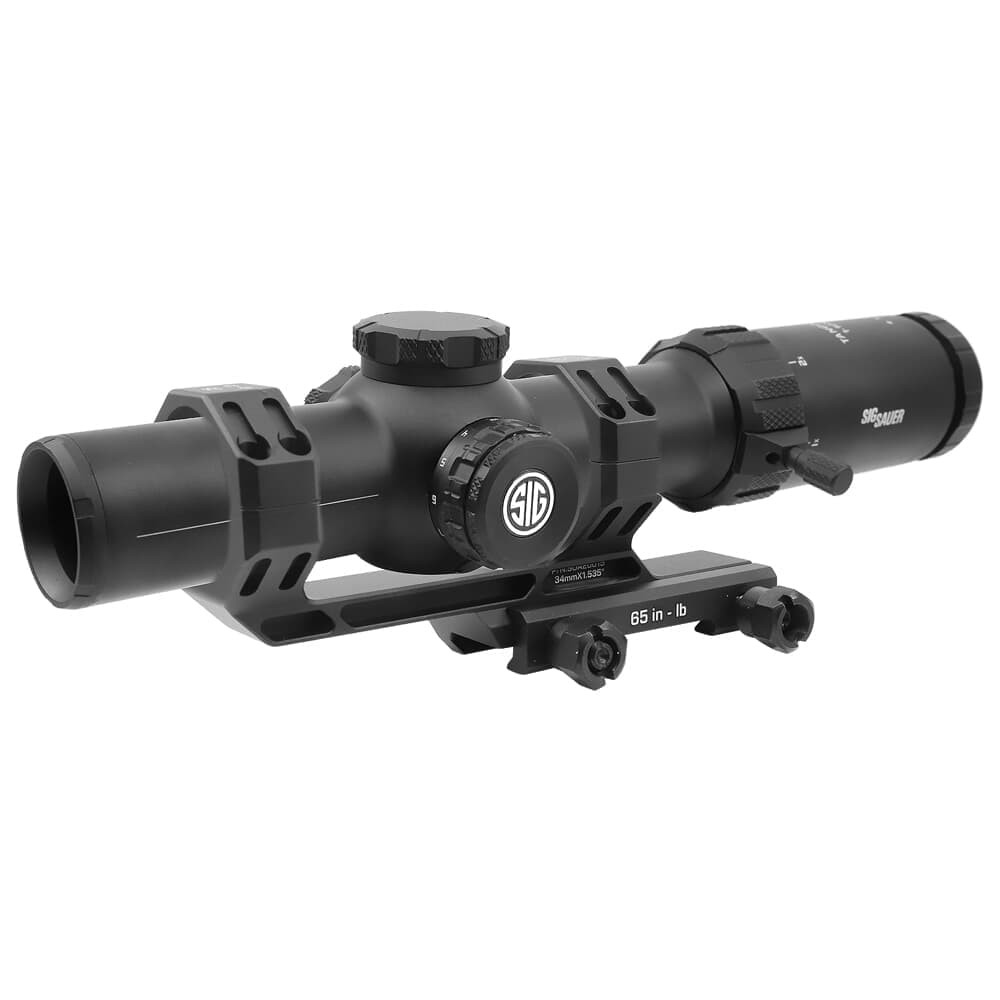
SIG Sauer Tango-MSR 1-10x26 FFP
- 1-10x magnification
- First focal plane
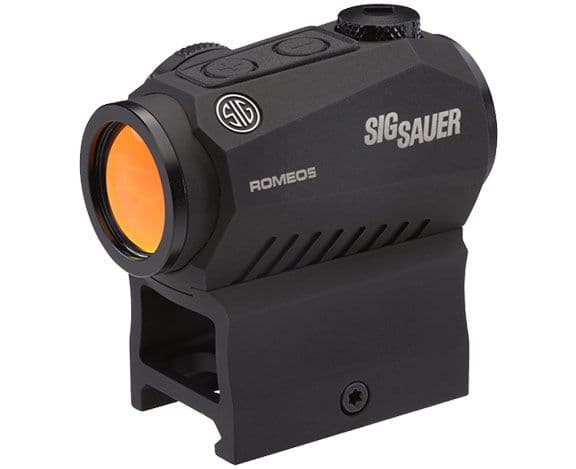
Sig Sauer Romeo5
- 2 MOA dot
- MOTAC
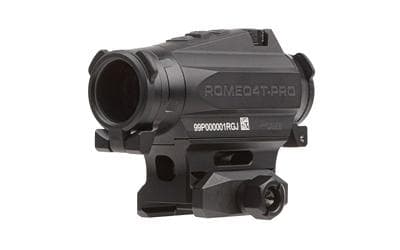
Sig Sauer Romeo4T Pro
- Ballistic circle dot
- MOTAC motion activation
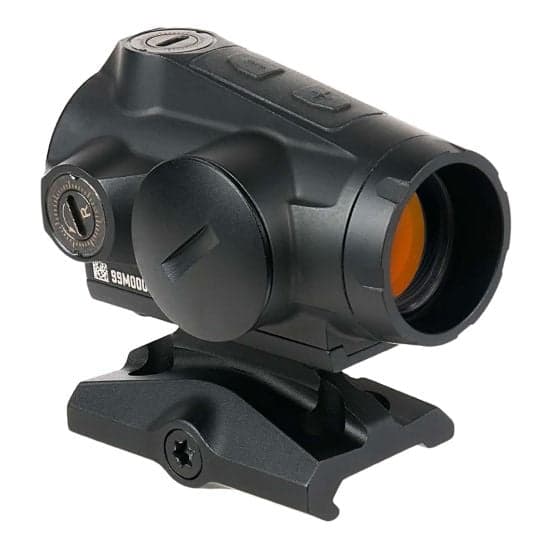
Sig Sauer Romeo 5 Gen 2
- 2 MOA dot
- MOTAC shake-awake
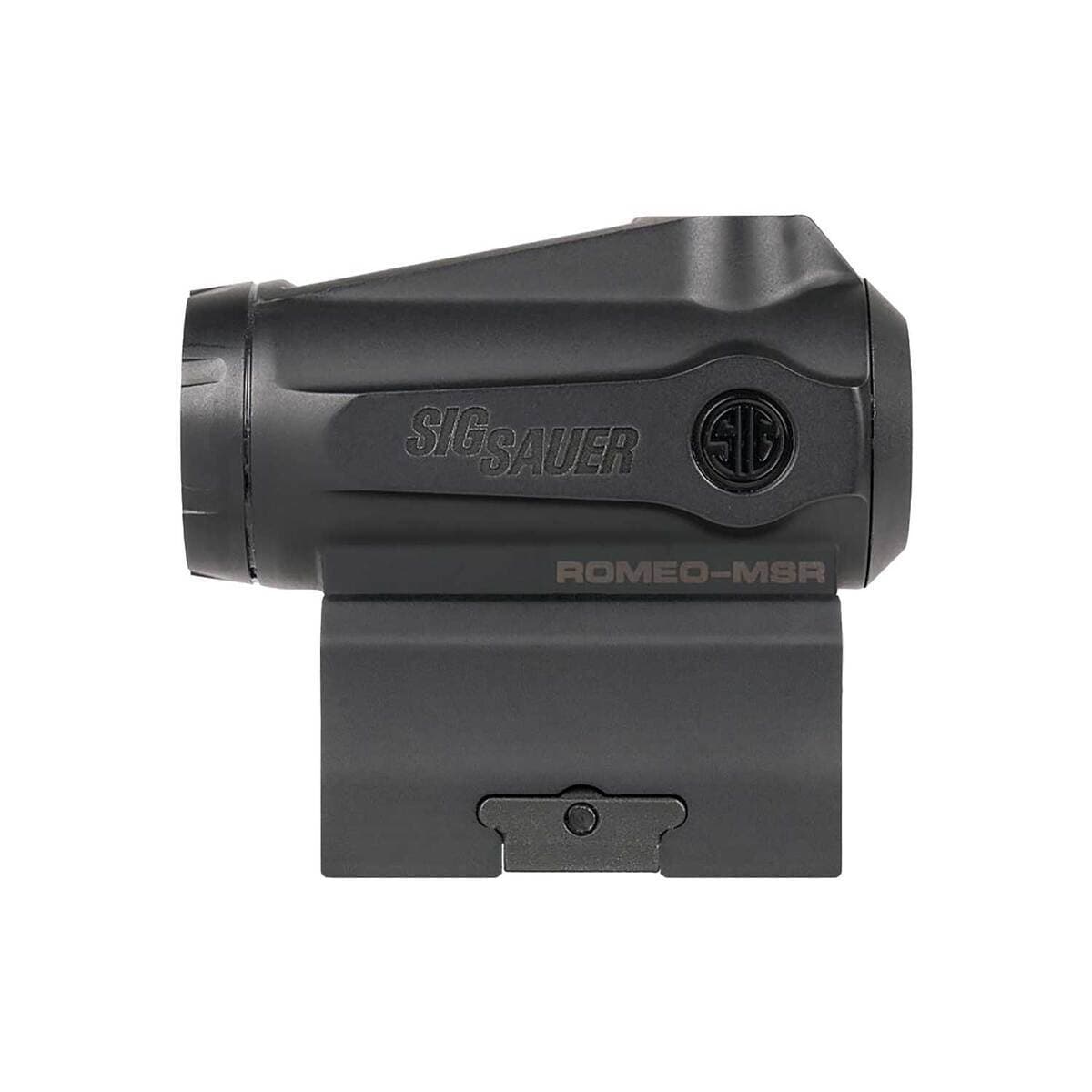
Sig Sauer Romeo MSR Gen II
- 2 MOA dot
- See-through riser mount
Affiliate links (?)
Stay Updated on SIG Sauer and Counter-Drone Gear
We cover new SIG releases, counter-UAS optics, and drone-related firearm technology as details land.